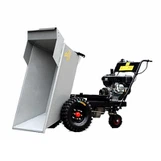
Hey there! As a supplier of Mini Dumpers, I've seen my fair share of common problems that users run into. In this blog post, I'm gonna share some tips on how to troubleshoot these issues, so you can keep your Mini Dumper running smoothly.
1. Engine Won't Start
One of the most common problems with Mini Dumpers is when the engine won't start. This can be super frustrating, but there are a few things you can check.
Check the Fuel
First off, make sure there's enough fuel in the tank. It might sound obvious, but sometimes we forget to fill it up. Also, check for any signs of fuel contamination. Water or dirt in the fuel can prevent the engine from starting. If you suspect contamination, drain the fuel tank and refill it with clean fuel.
Battery Issues
A dead or weak battery can also be the culprit. Check the battery connections to make sure they're clean and tight. If the connections are corroded, you can clean them with a wire brush and some baking soda mixed with water. If the battery is old or not holding a charge, you might need to replace it.
Spark Plug Problems
The spark plug is responsible for igniting the fuel in the engine. If it's dirty or worn out, the engine might not start. Remove the spark plug and check its condition. If it's dirty, you can clean it with a wire brush. If it's worn out, replace it with a new one.


2. Poor Performance
If your Mini Dumper is running, but it's not performing as well as it should, there could be a few reasons.
Air Filter
A dirty air filter can restrict the airflow to the engine, which can lead to poor performance. Check the air filter and clean or replace it if necessary. A clean air filter allows the engine to breathe properly and run more efficiently.
Fuel System
The fuel system includes the fuel pump, fuel lines, and carburetor. A clogged fuel filter or a malfunctioning fuel pump can cause fuel delivery problems. Check the fuel filter and replace it if it's dirty. If you suspect a problem with the fuel pump, you might need to have it inspected by a professional.
Transmission Issues
If your Mini Dumper has a transmission, problems with it can also affect performance. Check the transmission fluid level and make sure it's at the correct level. If the fluid is low or dirty, you might need to change it. Also, listen for any strange noises or vibrations coming from the transmission, as these could be signs of a more serious problem.
3. Hydraulic Problems
Many Mini Dumpers use hydraulic systems to operate the dump bed and other functions. Hydraulic problems can be a bit more complicated to troubleshoot, but here are some common issues and solutions.
Leaks
Check for any hydraulic fluid leaks. Leaks can occur at the hoses, fittings, or cylinders. If you find a leak, tighten the fittings or replace the damaged hoses or seals. Make sure to use the correct type of hydraulic fluid when refilling the system.
Low Pressure
If the hydraulic system is not generating enough pressure, the dump bed might not lift properly. Check the hydraulic pump and the pressure relief valve. A malfunctioning pump or valve can cause low pressure. You might need to have these components inspected and repaired by a professional.
Contaminated Fluid
Contaminated hydraulic fluid can also cause problems. Dirt, water, or air in the fluid can damage the hydraulic components. If you suspect contaminated fluid, drain the system and refill it with clean fluid.
4. Electrical Problems
Electrical problems can cause a variety of issues with your Mini Dumper, from lights not working to the engine not starting.
Fuses
Check the fuses in the electrical system. A blown fuse can cause a particular component to stop working. Replace any blown fuses with new ones of the same rating.
Wiring
Inspect the wiring for any signs of damage or loose connections. Damaged wiring can cause short circuits or prevent electrical components from receiving power. If you find damaged wiring, repair or replace it.
Sensors
Many Mini Dumpers have sensors that monitor various functions of the machine. A malfunctioning sensor can cause the engine to run poorly or trigger warning lights on the dashboard. If you suspect a problem with a sensor, you might need to have it tested and replaced by a professional.
5. Other Tips
Here are some other tips to keep in mind when troubleshooting your Mini Dumper:
Read the Manual
The owner's manual is a great resource for troubleshooting. It contains detailed information about the machine's components, maintenance procedures, and troubleshooting guides. Make sure to read the manual thoroughly and follow the instructions.
Regular Maintenance
Regular maintenance is key to preventing problems with your Mini Dumper. Follow the recommended maintenance schedule, which includes oil changes, filter replacements, and inspections. By keeping your machine well-maintained, you can avoid many common problems.
Seek Professional Help
If you're not comfortable troubleshooting the problem yourself or if you can't figure out what's wrong, don't hesitate to seek professional help. A qualified mechanic or technician can diagnose and repair the problem quickly and safely.
Conclusion
Troubleshooting common problems of a Mini Dumper doesn't have to be a headache. By following these tips and doing some basic maintenance, you can keep your machine running smoothly. If you're in the market for a Mini Dumper or need replacement parts, we've got you covered. We also offer a range of other great machines like the Wheel Dumper, Diesel Power Tiller, and Gasoline Backup Generator.
If you have any questions or want to discuss your purchasing needs, feel free to reach out. We're here to help you find the right equipment for your job.
References
- Manufacturer's Owner's Manual for Mini Dumper
- Industry-standard maintenance guides for construction machinery