

Hey there! As a water pump supplier, I've dealt with all sorts of water - pumping scenarios. One of the most challenging yet common ones is using water pumps with saltwater. There are quite a few special considerations you gotta keep in mind when you're in this situation.
First off, corrosion is the big elephant in the room. Saltwater is extremely corrosive. It contains a high concentration of salt ions, mainly sodium and chloride. These ions can react with the materials of the water pump, causing them to break down over time. For instance, if your pump has parts made of regular steel, the saltwater will start to eat away at it, forming rust. Rust not only weakens the structure of the pump but can also clog up the internal components, reducing the pump's efficiency.
To combat this, you need to choose pumps made from corrosion - resistant materials. Stainless steel is a popular choice. It has a protective layer that can resist the corrosive effects of saltwater to a large extent. Some pumps also use titanium parts. Titanium is super strong and highly resistant to corrosion, though it can be a bit more expensive. When you're in the market for a saltwater - capable pump, make sure to check the material specifications.
Another important consideration is the sealing. A good seal is crucial to prevent saltwater from seeping into the pump's internal components. If saltwater gets inside the motor or other sensitive parts, it can cause electrical shorts or mechanical failures. The seals need to be made from materials that can withstand the harsh environment of saltwater. Rubber seals are commonly used, but they need to be of high - quality and specifically designed for saltwater applications. Over time, the seals can wear out, so regular inspection and replacement are necessary.
The impeller is also a key part of the water pump. In saltwater, the impeller is constantly exposed to the abrasive nature of salt particles. These particles can wear down the impeller blades, reducing its ability to move water effectively. You should look for impellers made from hard - wearing materials. Some manufacturers coat the impellers with a special anti - wear coating to increase their lifespan.
Now, let's talk about maintenance. Using a water pump with saltwater means you'll have to do more maintenance compared to using it with freshwater. After each use, it's a good idea to flush the pump with freshwater. This helps to remove any salt residue that might be left inside. You can use a hose to run freshwater through the pump for a few minutes. It's also important to lubricate the moving parts regularly. However, make sure to use lubricants that are compatible with saltwater. Some lubricants can break down in the presence of salt, so choose wisely.
When it comes to power sources, there are different options. You can go for electric pumps, which are convenient and relatively quiet. But you need to ensure that the electrical components are well - protected from saltwater. Gasoline - powered pumps are also popular. They offer more mobility and can be used in areas where there's no access to electricity. For example, our 190 Gasoline Engine can be a great choice for powering your saltwater pump. It's reliable and has enough power to handle the demands of pumping saltwater.
If you're into agricultural applications, sometimes you might need to use a water pump in combination with other equipment. For instance, a Diesel Tiller Cultivator might be used in a farm near the sea where saltwater might be present. In such cases, you need to make sure that all the equipment is compatible with the saltwater environment.
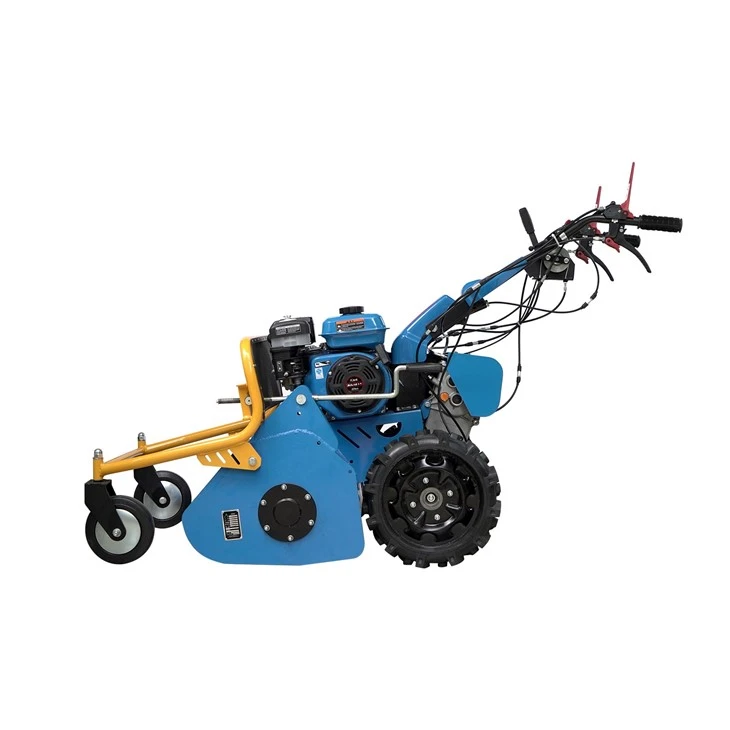

And for those who are into landscaping or maintaining large gardens, a Grass Cutting Chopper might be part of your toolkit. If you're using a water pump to irrigate the area and the water source is saltwater, you need to be extra careful about the effects on your plants as well as the equipment.
In terms of performance, saltwater is denser than freshwater. This means that the pump has to work harder to move the same volume of saltwater. You need to choose a pump with the right capacity and power to handle the increased load. A pump that's too small might struggle to pump the saltwater effectively, while an oversized pump can be wasteful in terms of energy consumption.
When you're installing the pump, make sure to place it in a location where it's protected from direct exposure to saltwater spray. Saltwater spray can cause corrosion on the outer parts of the pump even if it's not actively pumping saltwater. A sheltered area or a protective enclosure can help to extend the pump's lifespan.
Lastly, safety is always a top priority. When working with saltwater pumps, especially those powered by electricity, make sure to follow all the safety guidelines. Always turn off the power before performing any maintenance or inspection. Wear appropriate protective gear, such as gloves and goggles, when handling saltwater - related equipment.
In conclusion, using a water pump with saltwater requires careful consideration of materials, maintenance, and performance. But with the right pump and proper care, you can ensure reliable operation in saltwater environments. If you're in the market for a water pump that can handle saltwater, I'd love to have a chat with you. We've got a wide range of pumps that are designed to meet your saltwater - pumping needs. Whether you're a small - scale user or a large - scale industrial client, we can find the perfect solution for you. So, don't hesitate to reach out and start a conversation about your requirements.
References:
- General knowledge of water pump technology and saltwater effects on equipment.
- Industry standards and best practices for saltwater pump usage.


