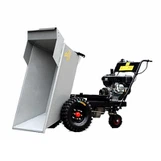
As a supplier of hydraulic mini dumpers, I'm often asked about the corrosion-resistant features of these machines. Corrosion can significantly reduce the lifespan and performance of equipment, especially in harsh working environments. In this blog, I'll delve into the key corrosion-resistant features of our hydraulic mini dumpers, explaining how they contribute to the durability and reliability of the equipment.
Material Selection
One of the primary factors in ensuring corrosion resistance is the choice of materials. Our hydraulic mini dumpers are constructed using high-quality steel that is specifically selected for its corrosion-resistant properties. This steel is often treated with anti-corrosion coatings during the manufacturing process, which act as a barrier between the metal and the surrounding environment.
The chassis and body of the dumper are typically made from a thick-gauge steel that can withstand the rigors of heavy use. This steel is resistant to rust and corrosion, even when exposed to moisture, chemicals, and abrasive materials. Additionally, we use stainless steel for critical components such as bolts, nuts, and hinges. Stainless steel is highly resistant to corrosion, making it ideal for parts that are constantly exposed to the elements.
Surface Treatment
In addition to using corrosion-resistant materials, we also apply advanced surface treatments to our hydraulic mini dumpers. These treatments further enhance the corrosion resistance of the equipment and protect it from the effects of harsh environmental conditions.
One of the most common surface treatments we use is powder coating. Powder coating is a dry finishing process that involves applying a fine powder to the surface of the metal. The powder is then heated and cured, forming a hard, durable coating that is resistant to scratches, chips, and corrosion. Powder coating provides excellent protection against rust and other forms of corrosion, making it an ideal choice for the exterior of our hydraulic mini dumpers.
Another surface treatment we use is galvanization. Galvanization is a process of coating the metal with a layer of zinc to protect it from corrosion. The zinc layer acts as a sacrificial anode, corroding in place of the underlying metal. This provides long-term protection against rust and other forms of corrosion, especially in environments where the equipment is exposed to moisture or saltwater.


Sealing and Gasketing
Proper sealing and gasketing are essential for preventing moisture and other contaminants from entering the hydraulic mini dumper. Our dumpers are designed with high-quality seals and gaskets that are specifically engineered to withstand the harsh conditions of construction and excavation sites.
The seals and gaskets are used to prevent water, dust, and other contaminants from entering the hydraulic system, engine, and other critical components of the dumper. This helps to prevent corrosion and damage to these components, ensuring the long-term reliability and performance of the equipment.
Maintenance and Care
While our hydraulic mini dumpers are designed with excellent corrosion-resistant features, proper maintenance and care are still essential for ensuring their long-term durability. Regular maintenance can help to prevent corrosion and other forms of damage, and it can also extend the lifespan of the equipment.
One of the most important maintenance tasks is to keep the dumper clean and dry. After each use, the dumper should be washed thoroughly to remove any dirt, debris, or chemicals that may have accumulated on the surface. The dumper should then be dried completely to prevent moisture from causing corrosion.
In addition to regular cleaning, the dumper should also be inspected regularly for signs of corrosion or damage. Any signs of corrosion or damage should be addressed immediately to prevent further deterioration of the equipment.
Comparison with Other Equipment
When comparing our hydraulic mini dumpers with other types of equipment, it's clear that our corrosion-resistant features give us a significant advantage. For example, compared to Small Skid Loader, our dumpers are designed to withstand the harsh conditions of construction and excavation sites, including exposure to moisture, chemicals, and abrasive materials.
Similarly, compared to Grass Cutting Chopper, our hydraulic mini dumpers are built to last, with a robust construction and advanced corrosion-resistant features. This makes them a more reliable and cost-effective choice for long-term use.
Another comparable piece of equipment is the Mini Crawler Dumper. While both our hydraulic mini dumper and the mini crawler dumper are designed for excavation and transportation, our dumper's superior corrosion-resistant features ensure a longer lifespan and lower maintenance costs.
Conclusion
In conclusion, our hydraulic mini dumpers are designed with a range of corrosion-resistant features that make them highly durable and reliable in harsh working environments. From the use of high-quality materials and advanced surface treatments to proper sealing and gasketing, every aspect of the dumper is engineered to prevent corrosion and damage.
If you're in the market for a hydraulic mini dumper, I encourage you to consider our products. Our dumpers are not only built to last, but they also offer excellent performance and value for money. To learn more about our hydraulic mini dumpers or to discuss your specific requirements, please don't hesitate to contact us. We look forward to the opportunity to work with you and to provide you with the best possible equipment for your needs.
References
- ASM Handbook Committee. (2004). ASM Handbook Volume 13A: Corrosion: Fundamentals, Testing, and Protection. ASM International.
- Fontana, M. G. (1986). Corrosion Engineering (3rd ed.). McGraw-Hill.
- Uhlig, H. H., & Revie, R. W. (1985). Corrosion and Corrosion Control: An Introduction to Corrosion Science and Engineering (3rd ed.). Wiley.