

Yo, what's up! As an engine supplier, I've been getting a ton of questions about turbo lag in engines. So, I thought I'd break it down for you all and share some tips on how to reduce it.
Let's start by talking about what turbo lag actually is. Turbo lag is that annoying delay you feel between when you step on the gas pedal and when the turbocharger kicks in and gives you that extra power boost. It's like you're waiting for the engine to wake up from a nap before it can really start performing.
So, how does turbo lag occur? Well, it all comes down to the way a turbocharger works. A turbocharger is basically a device that uses the exhaust gases from the engine to spin a turbine, which in turn drives a compressor. The compressor then forces more air into the engine, allowing it to burn more fuel and produce more power.
But here's the catch: the turbocharger needs time to spool up and reach its optimal speed. When you first step on the gas pedal, the engine produces more exhaust gases, but it takes a little while for those gases to build up enough pressure to spin the turbine fast enough to compress the air effectively. During this time, you'll notice a delay in power delivery, and that's what we call turbo lag.
There are a few factors that can contribute to turbo lag. One of the main factors is the size of the turbocharger. A larger turbocharger can produce more power, but it also takes longer to spool up. On the other hand, a smaller turbocharger can spool up more quickly, but it may not be able to produce as much power.
Another factor is the engine's exhaust flow. If the exhaust system is restricted or has a lot of backpressure, it can slow down the flow of exhaust gases and make it harder for the turbocharger to spool up. Additionally, the engine's RPM (revolutions per minute) plays a role. Turbochargers typically work best at higher RPMs, so if you're driving at low RPMs and suddenly step on the gas, it may take longer for the turbocharger to kick in.
Now that we know what turbo lag is and how it occurs, let's talk about how to reduce it. There are several strategies you can use to minimize turbo lag and improve your engine's performance.
One of the simplest ways to reduce turbo lag is to use a smaller turbocharger. As I mentioned earlier, a smaller turbocharger can spool up more quickly, which means you'll experience less delay in power delivery. However, keep in mind that a smaller turbocharger may not be able to produce as much power as a larger one, so you'll need to find the right balance for your specific needs.
Another option is to use a twin-turbo setup. A twin-turbo system typically consists of two turbochargers of different sizes. The smaller turbocharger is designed to spool up quickly at low RPMs, providing immediate power, while the larger turbocharger kicks in at higher RPMs to provide additional boost. This combination can significantly reduce turbo lag and improve overall performance.
Upgrading your engine's exhaust system can also help reduce turbo lag. A free-flowing exhaust system with less backpressure allows the exhaust gases to flow more freely, which helps the turbocharger spool up more quickly. You can consider installing a high-performance exhaust manifold, downpipe, and catalytic converter to improve exhaust flow.
In addition to these mechanical upgrades, there are also some driving techniques you can use to reduce turbo lag. One technique is to anticipate when you'll need to accelerate and downshift early. By downshifting to a lower gear, you can increase the engine's RPMs and get the turbocharger spinning faster, reducing the lag time.
Another technique is to use a technique called "blipping the throttle." When you're downshifting, quickly tap the gas pedal to increase the engine's RPMs before engaging the lower gear. This helps match the engine speed to the transmission speed and reduces the shock on the drivetrain, allowing the turbocharger to spool up more smoothly.
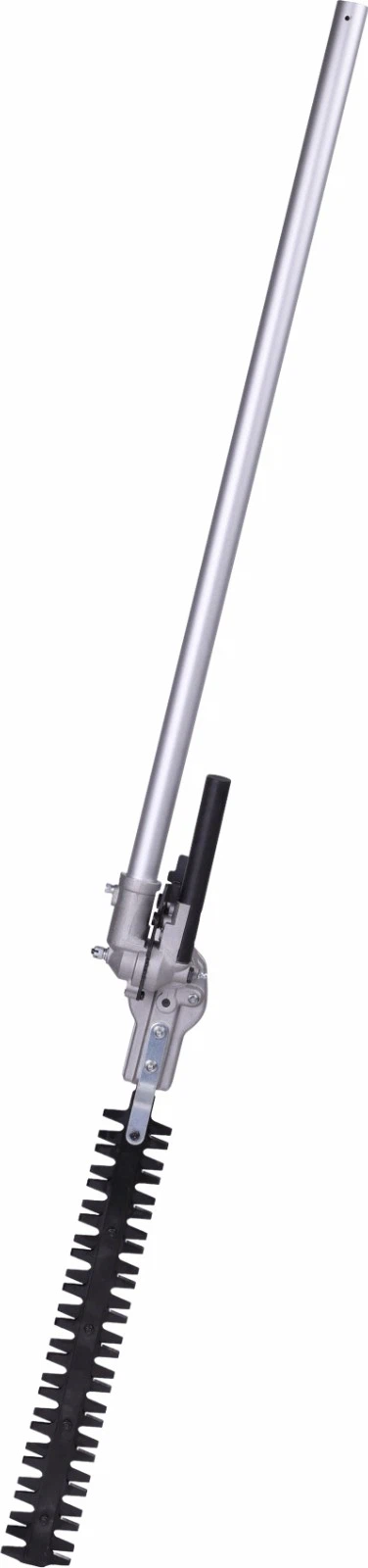
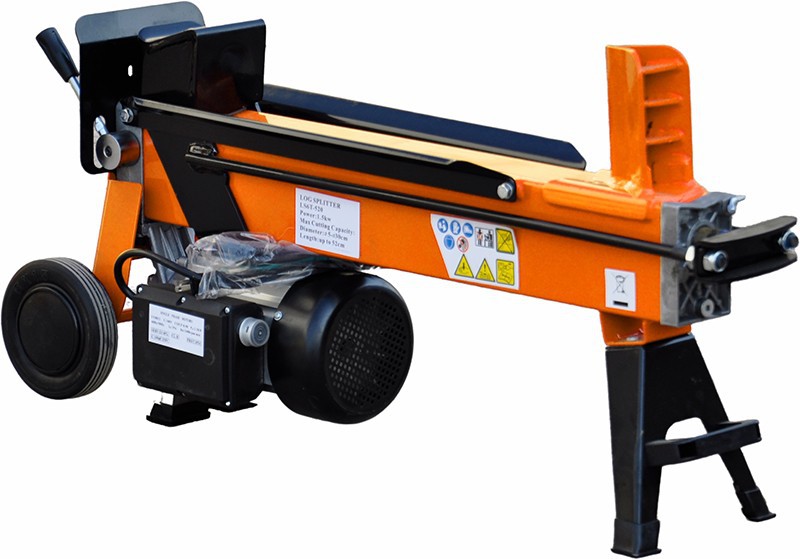
Now, I know what you're thinking. "All these upgrades sound great, but they're probably really expensive." Well, that's where we come in. As an engine supplier, we offer a wide range of engines and turbocharger systems that are designed to minimize turbo lag and provide optimal performance. Whether you're looking for a Mini Brush Cutter, a Power Split Log Splitter, or a Wheel Dumper, we have the right engine for your needs.
Our engines are built with the latest technology and high-quality components to ensure reliability and performance. We also offer professional installation and maintenance services to help you get the most out of your engine. So, if you're tired of dealing with turbo lag and want to improve your engine's performance, don't hesitate to reach out to us. We'd be happy to discuss your options and help you find the perfect engine for your application.
In conclusion, turbo lag is a common issue in turbocharged engines, but it can be reduced with the right strategies and upgrades. By using a smaller turbocharger, upgrading your exhaust system, and employing some driving techniques, you can minimize turbo lag and enjoy a more responsive and powerful driving experience. And if you're in the market for a new engine, be sure to check out our selection of high-performance engines and turbocharger systems. We're here to help you get the most out of your engine and take your performance to the next level.
References:
- Smith, J. (2020). Turbocharger Technology: Principles and Applications. New York: Wiley.
- Johnson, R. (2019). Automotive Engine Performance: A Practical Approach. Boston: Cengage Learning.
- Brown, T. (2018). Turbocharging: The Complete Guide. Los Angeles: Motorbooks.


