Using a gasoline generator to power a TV is a common question, especially in areas with unreliable power supply or for those who enjoy outdoor activities. As a gasoline generator supplier, I'm here to provide you with a comprehensive answer to this question.
Understanding the Basics of Gasoline Generators
Gasoline generators are devices that convert the chemical energy of gasoline into electrical energy. They work by using an internal combustion engine to turn an alternator, which then produces electricity. These generators come in various sizes and power ratings, making them suitable for a wide range of applications.
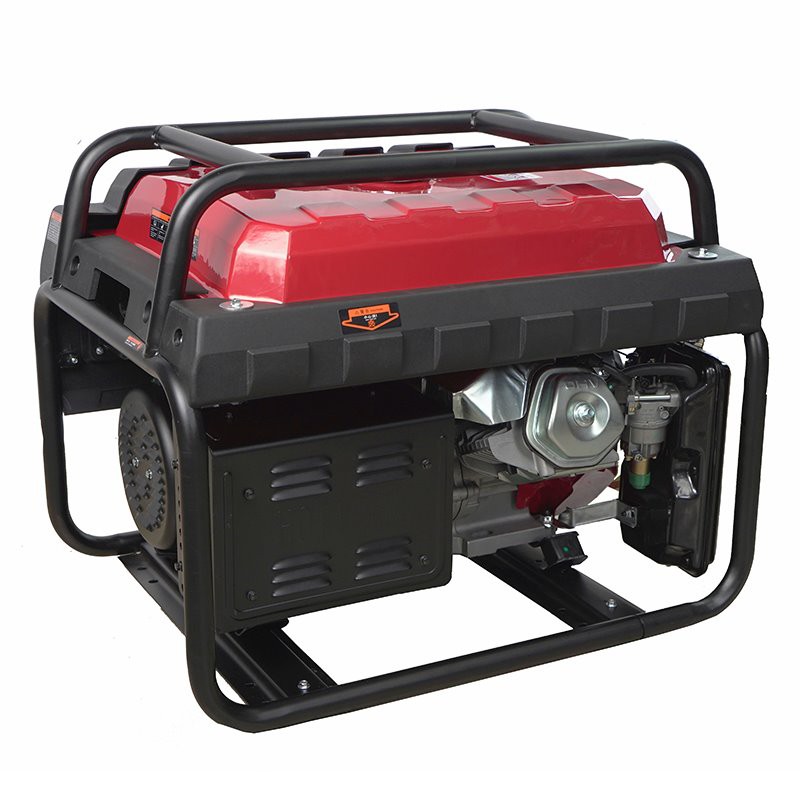
One of our popular products is the Portable Petrol Generator. It is designed for convenience and mobility, making it ideal for outdoor events, camping, or as a backup power source for small appliances. Another option is the Portable Generator Petrol, which offers similar features but with a different power output to meet diverse needs.
Power Requirements of a TV
Before determining whether a gasoline generator can power a TV, it's essential to understand the power requirements of the TV itself. Most modern TVs have relatively low power consumption, especially LED and LCD models. The power consumption of a TV can vary depending on its size, screen technology, and features.
For example, a small 32 - inch LED TV may consume around 30 - 60 watts, while a larger 65 - inch model can consume up to 100 - 200 watts. It's important to check the TV's user manual or the label on the back of the TV to find its exact power consumption.
Compatibility and Considerations
In general, a gasoline generator can power a TV as long as it meets the following conditions:
Power Output
The generator must have a sufficient power output to handle the TV's power requirements. It's advisable to choose a generator with a rated power output that is higher than the TV's power consumption. This provides a safety margin and ensures that the generator can handle any sudden power surges that may occur when the TV starts up or when additional features are used.
Our Gasoline Backup Generator is designed to provide reliable power and comes in different power ratings to suit various applications. Whether you need to power a single TV or multiple appliances, there is a backup generator option available.
Electrical Output
The electrical output of the generator must be compatible with the TV's input requirements. Most TVs operate on standard household electrical voltage, which is typically 120V in the United States and 220 - 240V in many other countries. Make sure the generator can provide the correct voltage and frequency.
Most gasoline generators are designed to produce a stable electrical output, but some older or lower - quality models may have voltage fluctuations. These fluctuations can potentially damage sensitive electronic devices like TVs. To avoid this, it's recommended to use a voltage regulator or an uninterruptible power supply (UPS) between the generator and the TV.
Noise and Emissions
Gasoline generators can be noisy and produce emissions. If you plan to use the generator indoors or in a residential area, consider the noise level and emissions regulations. Some generators are designed to be quieter and more environmentally friendly. Look for generators with noise - reducing features and low emissions ratings.
Steps to Power a TV with a Gasoline Generator
If you've determined that your gasoline generator is suitable for powering a TV, here are the steps to follow:
- Choose a suitable location: Place the generator in a well - ventilated area, away from windows, doors, and any flammable materials. Make sure it is on a level surface to prevent it from tipping over.
- Check the fuel and oil levels: Ensure that the generator has enough gasoline and oil before starting it. Refer to the generator's user manual for the correct fuel and oil specifications.
- Start the generator: Follow the manufacturer's instructions to start the generator. Let it warm up for a few minutes before connecting any appliances.
- Connect the TV: Use a heavy - duty extension cord to connect the TV to the generator. Make sure the cord is in good condition and has the appropriate amperage rating.
- Turn on the TV: Once the TV is connected, turn it on and check if it is functioning properly.
Advantages of Using a Gasoline Generator to Power a TV
- Reliability: Gasoline generators provide a reliable source of power, especially during power outages. You can continue to watch your favorite shows or stay informed about current events.
- Portability: Portable gasoline generators are easy to move around, making them suitable for outdoor activities such as camping, tailgating, or outdoor movie nights.
- Versatility: In addition to powering a TV, a gasoline generator can be used to power other appliances such as lights, fans, and small kitchen appliances.
Disadvantages of Using a Gasoline Generator to Power a TV
- Noise and emissions: As mentioned earlier, gasoline generators can be noisy and produce emissions. This can be a nuisance, especially in residential areas.
- Fuel consumption: Gasoline generators consume fuel, which can be costly, especially if you need to use the generator for an extended period.
- Maintenance: Gasoline generators require regular maintenance, including oil changes, filter replacements, and spark plug inspections.
Conclusion
In conclusion, a gasoline generator can be used to power a TV as long as it meets the power requirements and electrical output specifications. As a gasoline generator supplier, we offer a range of high - quality generators that are suitable for powering TVs and other appliances. Whether you need a portable generator for outdoor use or a backup generator for your home, we have the right solution for you.

If you're interested in purchasing a gasoline generator for your TV or other power needs, please don't hesitate to contact us for more information. We're happy to assist you in choosing the right generator and providing you with all the necessary support and advice.
References
- Manufacturer's manuals of gasoline generators
- TV user manuals
- Electrical engineering textbooks on power generation and consumption